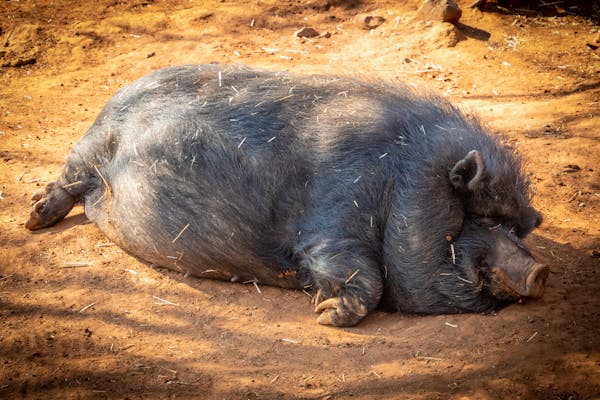
Hog hunting isn’t just a Southern tradition or an adrenaline-pumping pastime—it’s also a necessary part of wildlife management in many parts of the U.S. With feral hog populations growing rapidly, hunters play an important role in controlling damage to land, livestock, and native species.
But what draws people to hog hunting isn’t only the practical need. It’s the challenge, the excitement, and the connection to the land that keeps hunters returning year after year.
Why Hog Hunting Matters
Feral hogs are not native to North America. They were introduced centuries ago and have since become a destructive force in rural and agricultural areas. These animals are intelligent, aggressive, and highly adaptable. They can tear up crop fields overnight, damage fences, and compete with native wildlife for food.
In states like Texas, where the hog population is estimated to be in the millions, hunting has become one of the few effective ways to manage the problem. It’s not just sport—it’s land protection.
Different Styles of Hog Hunting
Depending on where you are and what local regulations allow, there are several methods hunters use to track and take down wild hogs.
Spot and Stalk
This is one of the most traditional methods. It requires patience, good optics, and quiet movement. Hunters walk through hog territory, scanning for movement or signs like tracks, wallows, or rooting. Once a hog is spotted, it becomes a game of stealth and timing.
Hunting Over Bait
This method is more common in heavily wooded areas where visibility is low. Bait—usually corn—is placed in a specific area to attract hogs. Hunters set up a blind or tree stand nearby and wait for the hogs to come in. It’s effective, but it requires planning and awareness of legal regulations, as some states regulate baiting.
Night Hunting with Thermal or Night Vision
Because hogs are primarily nocturnal, many hunters head out after dark with specialized gear. Thermal scopes detect heat signatures, making it easier to locate hogs in the brush. It’s a high-tech, fast-paced form of hunting that’s grown in popularity.
Hunting with Dogs
Using trained dogs to track and hold hogs is a method as old as hog hunting itself. It’s intense, physical, and not for the faint of heart. Typically, “bay dogs” locate and corner the hog, while “catch dogs” hold it until the hunter arrives.
Safety and Ethics
Hog hunting comes with responsibility. Wild hogs can be dangerous when cornered, especially large boars. Hunters need to be cautious, stay aware of their surroundings, and use proper firearms or bows that ensure a clean, ethical shot.
It’s also important to follow state and local regulations. While hogs are often considered nuisance animals with few restrictions, hunting laws still apply—especially on public land.
The Meat: A Wild Bonus
Feral hog meat is leaner than domestic pork and has a rich, gamey flavor. While older boars can be tough or strong-tasting, younger hogs (under 150 pounds) often yield excellent cuts for grilling, smoking, or making sausage. Many hunters process their meat or work with local butchers.
Harvesting the meat is not only a great way to use what you hunt—it’s also a respectful approach to the animal and the land.
Final Thoughts
Hog hunting is more than pulling the trigger. It’s part conservation, part tradition, and part challenge. Whether you’re drawn by the excitement of night hunts, the strategy of stalking, or the satisfaction of protecting your land, there’s a place for you in the world of hog hunting.
And if you’re new to it, don’t be intimidated. Begin with thorough research, consult with experienced hunters, and prioritize safety above all else. Like any outdoor pursuit, hog hunting is something you learn over time—with each hunt teaching you a little more about the animal, the land, and yourself.