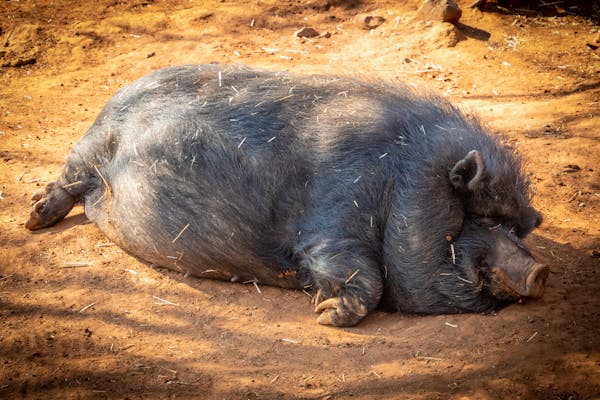
The Thrill and Purpose of Hog Hunting

Hog hunting isn’t just a Southern tradition or an adrenaline-pumping pastime—it’s also a necessary part of wildlife management in many parts of the U.S. With feral hog populations growing rapidly, hunters play an important role in controlling damage to land, livestock, and native species.

But what draws people to hog hunting isn’t only the practical need. It’s the challenge, the excitement, and the connection to the land that keeps hunters returning year after year.

Why Hog Hunting Matters

Feral hogs are not native to North America. They were introduced centuries ago and have since become a destructive force in rural and agricultural areas. These animals are intelligent, aggressive, and highly adaptable. They can tear up crop fields overnight, damage fences, and compete with native wildlife for food.

In states like Texas, where the hog population is estimated to be in the millions, hunting has become one of the few effective ways to manage the problem. It’s not just sport—it’s land protection.

Different Styles of Hog Hunting

Depending on where you are and what local regulations allow, there are several methods hunters use to track and take down wild hogs.

Spot and Stalk

This is one of the most traditional methods. It requires patience, good optics, and quiet movement. Hunters walk through hog territory, scanning for movement or signs like tracks, wallows, or rooting. Once a hog is spotted, it becomes a game of stealth and timing.

Hunting Over Bait

This method is more common in heavily wooded areas where visibility is low. Bait—usually corn—is placed in a specific area to attract hogs. Hunters set up a blind or tree stand nearby and wait for the hogs to come in. It’s effective, but it requires planning and awareness of legal regulations, as some states regulate baiting.

Night Hunting with Thermal or Night Vision

Because hogs are primarily nocturnal, many hunters head out after dark with specialized gear. Thermal scopes detect heat signatures, making it easier to locate hogs in the brush. It’s a high-tech, fast-paced form of hunting that’s grown in popularity.

Hunting with Dogs

Using trained dogs to track and hold hogs is a method as old as hog hunting itself. It’s intense, physical, and not for the faint of heart. Typically, “bay dogs” locate and corner the hog, while “catch dogs” hold it until the hunter arrives.

Safety and Ethics

Hog hunting comes with responsibility. Wild hogs can be dangerous when cornered, especially large boars. Hunters need to be cautious, stay aware of their surroundings, and use proper firearms or bows that ensure a clean, ethical shot.

It’s also important to follow state and local regulations. While hogs are often considered nuisance animals with few restrictions, hunting laws still apply—especially on public land.

The Meat: A Wild Bonus

Feral hog meat is leaner than domestic pork and has a rich, gamey flavor. While older boars can be tough or strong-tasting, younger hogs (under 150 pounds) often yield excellent cuts for grilling, smoking, or making sausage. Many hunters process their meat or work with local butchers.

Harvesting the meat is not only a great way to use what you hunt—it’s also a respectful approach to the animal and the land.

Final Thoughts

Hog hunting is more than pulling the trigger. It’s part conservation, part tradition, and part challenge. Whether you’re drawn by the excitement of night hunts, the strategy of stalking, or the satisfaction of protecting your land, there’s a place for you in the world of hog hunting.

And if you’re new to it, don’t be intimidated. Begin with thorough research, consult with experienced hunters, and prioritize safety above all else. Like any outdoor pursuit, hog hunting is something you learn over time—with each hunt teaching you a little more about the animal, the land, and yourself.
Rut Hunting In Texas: A Guide To Understanding The Whitetail Deer Rut And How To Hunt It

The hunting season in Texas is a cherished time for many, and one of the most anticipated periods of the year is the whitetail deer rut. This annual event marks the peak of the breeding season for deer, and for hunters, it presents an exciting opportunity to harvest trophy bucks. Understanding the rut—its timing, behavior, and strategies for successful hunting—can be the key to success during this period. Whether you’re an experienced hunter or a novice, knowing how to take advantage of the rut in Texas can make all the difference.

What Is The Rut?

The rut refers to the breeding season of whitetail deer, during which bucks become more active and engage in intense competition for mates. During this time, bucks will exhibit behaviors such as scraping trees, rubbing antlers on vegetation, and seeking out does. The rut also brings heightened levels of aggression and territoriality as dominant bucks battle to establish their dominance and secure breeding rights.

For hunters, the rut is the time when bucks are most active during daylight hours, making them easier to spot and harvest. However, the timing of the rut can vary depending on a number of factors, including the region of Texas you’re hunting in, weather conditions, and local deer population dynamics.

The Timing Of The Rut In Texas

Texas is a large state with diverse geographic regions, which means the timing of the rut can vary significantly depending on where you are hunting. In general, the rut in Texas occurs from late October through early January, with the peak rut typically happening in mid- to late November.

  1. North Texas: In the northern regions of Texas, including areas like the Texas Panhandle, the rut usually peaks in late November to early December. This is due to the slightly colder temperatures and the longer day-night cycles that influence the deer’s hormonal changes.

  2. Central Texas: Central Texas has a similar rut timeline, but it can often peak a bit earlier, in mid-November. The hill country, with its mix of rugged terrain and dense brush, provides ideal conditions for deer to engage in rutting behaviors, making this region a prime hunting location during the peak of the season.

  3. South Texas: In the southern regions of Texas, such as the brush country, the rut can occur as early as late October and extend into December. This is partly because the climate in South Texas is warmer, which means deer may breed earlier than in the cooler regions of the state.

  4. East Texas: In the piney woods and swampy lowlands of East Texas, the rut generally peaks in early to mid-November, aligning with the broader patterns seen across the state but with slight regional variation.

Understanding Deer Behavior During the Rut

Understanding the behavior of whitetail deer during the rut is crucial for successful hunting. During the rut, bucks exhibit a range of behaviors designed to attract and compete for mates:

  1. Increased Movement: Bucks are much more active during the rut as they search for does in estrus (heat). This increased movement often leads to more daylight activity, which can provide hunters with the opportunity to spot and hunt mature bucks.

  2. Scrapes And Rubs: Bucks mark their territory during the rut by scraping the ground and rubbing their antlers on trees. Scrapes are a good sign that a buck is in the area, and hunters can often find them near bedding areas or travel corridors. These signs indicate that a buck has recently passed through, making them ideal spots for setting up tree stands or ground blinds.

  3. Chasing And Fighting: As bucks compete for does, they often engage in dramatic chases and battles. This aggressive behavior can sometimes provide opportunities for hunters to observe and even capitalize on. A buck chasing a doe might pass through an area quickly, providing a brief but valuable window for a shot.

  4. Calling And Luring: Many hunters use calls to mimic the sounds of a doe in estrus or a competing buck. Grunt calls, bleats, and rattling antlers are all popular methods to lure a buck into shooting range. The key is to use these calls sparingly, as overuse can cause a buck to become wary.

Hunting Strategies For The Rut

To successfully hunt the rut in Texas, it’s important to tailor your strategies to the specific behaviors and patterns of whitetail deer during this time. Here are a few effective strategies:

  1. Set Up Near Scrapes And Rubs: Bucks are highly territorial during the rut, and they often revisit scrapes and rubs to leave their scent and check for does. Hunting near these locations can increase your chances of encountering a mature buck. Look for areas with fresh signs of activity, and set up your stand or blind downwind to avoid being detected.

  2. Hunt The Travel Corridors: During the rut, deer are more likely to move through specific travel corridors as they search for does. These corridors are often located between bedding areas, food sources, and water, so scouting is key to identifying where these paths are. Set up near these trails to intercept deer during their movements.

  3. Utilize The Early Morning And Late Evening: While deer are more active during the rut, the best time to hunt is often at dawn and dusk. Bucks tend to be more active in the early morning and late evening hours when the light is low. Be prepared for longer sits and bring extra clothing to stay warm, as temperatures can fluctuate during the cooler months.

  4. Use Calls And Decoys: During the rut, calling can be a highly effective tool. Doe bleats, grunt calls, and rattling antlers can all attract bucks that are looking for mates or rivals to challenge. Additionally, using a decoy can help draw in a curious buck, especially if it’s placed near a scrape or rub.

Conclusion

Rut hunting in Texas offers hunters a thrilling and rewarding experience. By understanding the timing and behavior of deer during the rut, as well as employing effective hunting strategies, you can increase your chances of success. Whether you’re hunting in the hill country of Central Texas, the brush country of the South, or the vast expanses of the Panhandle, the rut is an exciting time that presents ample opportunities to harvest mature whitetail bucks. The key to success is preparation, patience, and a keen understanding of deer behavior during this critical period.

Secrets of Deer Hunting: A Guide to Success in the Field

Deer hunting is a pursuit rich with tradition, skill, and excitement, yet it’s a challenge that requires patience, precision, and knowledge of the animal’s habits and environment. Whether you’re a seasoned hunter or new to the field, uncovering the secrets to successful deer hunting can be the difference between a quiet day in the woods and bringing home a trophy. Here, we’ll dive into some of the core principles, tactics, and little-known secrets that can help you become a more effective hunter.

1. Understand Deer Behaviour and Patterns

Knowing how deer behave is essential to understanding how to hunt them effectively. Deer are creatures of habit, and by studying their routines, you can increase your chances of encountering them. In general, deer are most active during the dawn and dusk hours, with a peak in movement in the early morning and late afternoon. They tend to stick to well-trodden paths between bedding areas and feeding grounds.

In addition to time of day, understanding deer seasonal patterns can provide an edge. For instance, during the rut (mating season), bucks are more mobile and may stray further from their usual paths in search of does. This heightened movement provides a unique opportunity for hunters to encounter mature bucks that are otherwise elusive.

2. Choose the Right Location

Finding a prime location is half the battle in deer hunting. To start, scout your hunting grounds well before the season begins. Look for deer trails, bedding areas, feeding grounds, and water sources, as deer are more likely to frequent areas that fulfill their basic needs.

When setting up, aim to place yourself downwind of the deer’s expected path. Deer have an extraordinary sense of smell, which they rely on for survival. A poorly positioned hunter can be detected from hundreds of yards away. Wind direction is crucial; always check it before choosing a location for the day. Tree stands or ground blinds positioned strategically along trails or near food sources can also provide you with better concealment and allow you to spot deer before they sense you.

3. Master the Art of Silence and Stealth

Silence is essential in deer hunting. Deer can detect even the smallest sounds, so remaining as quiet as possible is key to getting close to your target. Start by wearing clothing that minimizes noise when you move. Additionally, take your steps slowly and carefully, and avoid dry leaves and twigs whenever possible.

Alongside silence, scent control is crucial. Use scent-eliminating sprays and store hunting clothes in airtight bags until you’re ready to wear them. Opt for unscented soaps, shampoos, and deodorants in the days leading up to your hunt to avoid tipping off nearby deer. Even the scent from a snack wrapper or the oils from your skin can be enough to alert them.

4. Utilise Calls and Scents Wisely

Deer calls, such as grunts, bleats, and rattling antlers, can be effective in attracting deer, especially during the rut. Practice makes perfect; study different calls and understand when each one is appropriate. A buck grunt, for instance, can attract a dominant buck during the pre-rut and rut phases, while a doe bleat may be more effective during the early season.

Scents can also attract deer, but they should be used with caution. During the rut, doe estrus scent can attract bucks from a distance, while food-scented lures like apple or acorn scent can work well during other parts of the season. However, don’t overuse these scents, as too much can raise suspicion among deer and make them wary of the area.

5. Pay Attention to Weather Patterns

Weather plays a significant role in deer behaviour. Generally, deer are more active right before a front moves in, making these times ideal for hunting. Overcast days with light rain can also lead to increased movement, as deer feel safer from predators when there is less sunlight. On the other hand, windy conditions make deer more cautious, as it affects their ability to detect danger, so they may move less.

Temperature also affects deer movement. Colder weather can increase activity, especially if it follows a warmer period. Pay close attention to local weather reports and plan your hunting trips around favourable weather patterns to increase your chances of success.

6. Stay Patient and Persistent

One of the greatest secrets to deer hunting is patience. Even with the best planning and preparation, deer are unpredictable creatures, and success often requires hours of waiting in silence. Resist the urge to move around frequently, as every movement risks detection. The more you can remain still and blend into your environment, the better your odds.

Persistence also plays a vital role. Not every outing will be successful, but every day in the field is an opportunity to learn more about deer habits and terrain. Embrace the process and use each experience to refine your skills.

7. Know Your Equipment Inside and Out

Whether you’re using a rifle, bow, or crossbow, knowing your weapon well is fundamental to responsible and effective hunting. Practise regularly to ensure your shot is accurate and humane, as your goal is a clean, swift harvest. Familiarity with your gear, from scopes to sights and the feel of your release, can make all the difference in a high-stakes moment.

8. Take Advantage of the Post-Rut Period

While most hunters focus on the peak rut, the post-rut period can be an excellent time to hunt as well. Bucks are still active, though often more cautious. During this period, focus on food sources that does frequent, as bucks may follow them. Setting up near known food sources or trails can increase your chance of success during this phase.

Final Thoughts

Deer hunting is a rewarding pursuit that combines skill, knowledge, and patience. By studying deer behaviour, scouting the right locations, mastering stealth, and learning to use calls and scents effectively, you can increase your chances of success. But remember, hunting is as much about the experience and respect for wildlife as it is about the result. With these secrets and tips in mind, you’ll be well-prepared to enjoy a successful deer hunting season. Happy hunting!

The Science Of The Rut: Understanding Deer Behaviour In Texas

As the crisp air of autumn descends upon Texas, hunters across the state gear up for one of the most anticipated times of the year – the rut. This period, when deer breeding activity reaches its peak, offers hunters a unique opportunity to understand and leverage deer behavior to their advantage. But what exactly is the rut, and how does it influence deer in Texas? Let’s delve into the science of the rut and explore how understanding this natural phenomenon can enhance your hunting experience.


What Is The Rut?

The rut is the mating season for deer, characterized by increased activity and changes in behavior, especially among bucks. During this time, bucks become more aggressive and focused on finding does in estrus (females ready to mate). The rut can be broken down into several phases:

  • Pre-Rut: This initial phase occurs in late summer and early fall when bucks start to spar with each other to establish dominance and prepare for the upcoming breeding season. They also begin to rub their antlers on trees to mark their territory and shed velvet.

  • Chasing Phase: As does begin to enter estrus, bucks start actively seeking them out. This phase is marked by increased buck movement and vocalizations, as well as more aggressive behavior towards other bucks.

  • Breeding Phase (peak rut): This is the peak of the rut, typically occurring in late November to early December in Texas. During this phase, bucks are highly focused on mating, often to the point of neglecting food and safety.

  • Post-Rut: After the peak breeding period, buck activity slows down as they begin to recover from the intense energy expenditure. Does that were not bred during the initial rut may come into estrus again, leading to a secondary rut.


The Rut In Texas

In Texas, the rut varies somewhat depending on the region due to differences in climate and habitat. However, the general timeline follows a similar pattern statewide, with the peak rut usually happening from late November to early December. Factors such as weather, moon phase, and population dynamics can influence the exact timing and intensity of the rut.


Understanding Deer Behavior During The Rut

Increased Movement

During the rut, bucks increase their range significantly as they search for receptive does. This means hunters are more likely to see bucks moving during daylight hours, which are typically more active at dawn and dusk. Understanding this increased movement can help hunters position themselves in travel corridors and pinch points where bucks are likely to pass through.

Rubs And Scrapes

Bucks use rubs and scrapes to communicate with other deer and establish territory. A rub is made when a buck rubs its antlers and forehead against a tree, stripping away the bark. Scrapes are spots where bucks paw the ground and urinate, leaving their scent to attract does and warn other bucks. Identifying and monitoring these signs can provide valuable clues about buck activity in your hunting area.

Vocalizations

During the rut, bucks become more vocal, using grunts, bleats, and snort-wheezes to communicate. Learning to mimic these sounds can be an effective hunting strategy, as it can draw bucks closer to your location. Using calls sparingly and appropriately can increase your chances of encountering a mature buck.

Doe Behavior

Understanding doe behavior is equally important during the rut. Does in estrus will often attract multiple bucks, leading to intense competition and increased visibility of bucks. Setting up near known doe bedding areas or food sources can be a strategic move, as bucks will frequently visit these areas in search of receptive does.


Tips For Hunting The Rut In Texas

  • Scout early: Pre-season scouting can help you identify key areas where deer activity is high. Look for signs of rubs, scrapes, and travel corridors.

  • Be patient: During the rut, patience is key. Bucks may be more active, but they are also more unpredictable. Spending long hours in the stand can pay off.

  • Use scents And calls: Using doe-in-estrus scents and vocalizations can attract bucks. However, use these tools judiciously to avoid spooking deer.

  • Stay concealed: Bucks are on high alert during the rut. Ensure your stand or blind is well-concealed, and minimize movement and noise.


Conclusion

The rut is a dynamic and exciting time for deer hunters in Texas. By understanding the science behind deer behavior during this period, hunters can increase their chances of a successful hunt. Whether you’re a seasoned hunter or a novice, the rut offers a unique opportunity to witness the natural behavior of deer and experience the thrill of the hunt. Happy hunting, and may the odds be in your favor this rutting season!

Rut Hunting Myths And Facts: A Texas Perspective

Hunting during the rut is an exciting time for deer hunters, especially in Texas where the landscape and deer population offer unique opportunities. However, many myths about rut hunting persist, leading to confusion and sometimes disappointment. In this post, we’ll debunk some common myths and provide facts to help you make the most of your Texas rut hunting experience.


Myth 1: The Rut Happens At The Same Time Everywhere In Texas

Fact:

Texas is a large state with diverse ecosystems, and the timing of the rut can vary significantly. While the peak of the rut in the northern parts of Texas might occur in late November, the southern regions can experience peak rut activity as early as late October or as late as December. It’s essential to research the specific area you’ll be hunting to understand the local rut timing.


Myth 2: Bucks Only Move During The Rut

Fact:

While bucks are indeed more active and visible during the rut as they search for does, they do not become inactive outside of this period. Bucks have daily movement patterns year-round, although they tend to be more nocturnal and cautious outside the rut. Understanding these patterns can help you track and hunt bucks effectively, even when it’s not peak rut season.


Myth 3: The Weather Has No Impact On Rut Activity

Fact:

Weather can significantly affect deer behavior during the rut. In Texas, a sudden cold front can trigger increased daytime activity as bucks become more active in cooler temperatures. Conversely, unseasonably warm weather might suppress movement during the day, making early morning and late evening hunts more productive.


Myth 4: Scent Control Is Less Important During The Rut

Fact:

While bucks are less cautious during the rut due to their focus on finding does, scent control remains crucial. Mature bucks, in particular, can still be wary and detect human scent. Utilizing scent-free soaps, sprays, and keeping your hunting clothes separate from other scents can improve your chances of a successful hunt.


Myth 5: Calling Always Works During The Rut

Fact:

Calling can be effective during the rut, but it’s not foolproof. Bucks may respond to calls such as grunts, bleats, and rattles, but overcalling can also spook them. It’s essential to use calls strategically and be aware of the responses you’re getting. If a buck seems uninterested or wary, it might be best to remain silent and let your setup do the work.


Myth 6: All Rut Activity Happens In The Open

Fact:

While you might see more deer in open areas during the rut, a lot of activity happens in thick cover where bucks feel safer. Hunting near known bedding areas or travel corridors between feeding and bedding sites can be highly effective. Understanding the terrain and using it to your advantage is key.


Myth 7: You Need High-End Gear To Be Successful

Fact:

While quality gear can enhance your hunting experience, it’s not a requirement for success. Basic, well-maintained equipment combined with good hunting practices and knowledge of deer behavior can lead to a fruitful hunt. Focus on your skills and understanding of the deer you’re hunting rather than relying solely on expensive gear.


Myth 8: Bucks Will Always Chase Does During The Day

Fact:

While daylight activity increases during the rut, bucks can and do chase does at night, especially in areas with higher hunting pressure. Trail cameras can provide valuable insights into when bucks are most active in your hunting area, helping you adjust your strategy accordingly.


Myth 9: The Rut Only Lasts a Few Days

Fact:

The rut is a multi-phase process that spans several weeks. It includes pre-rut, peak rut, and post-rut phases. Understanding these phases can help you adapt your hunting techniques. For example, during the pre-rut, bucks are establishing dominance and territories, making it a good time for rattling and mock scrapes.


Myth 10: All Bucks Participate In The Rut Equally

Fact:

Not all bucks are equally active during the rut. Younger bucks may be more visible and chase does more openly, while mature bucks often employ more stealth and caution. These older bucks might use their experience to avoid hunters while still seeking out does, making them more challenging but rewarding to hunt.


Conclusion

Rut hunting in Texas offers a thrilling and dynamic experience, but separating myths from facts is crucial for success. By understanding the true nature of deer behavior and adapting your strategies accordingly, you can improve your chances of a successful and enjoyable hunt. Remember, each hunting area and season can be different, so staying informed and flexible is key. Happy hunting!

Unveiling The Thrill: Rut Hunting Competition In Texas

Deep in the heart of Texas, amidst the sprawling landscapes and rugged terrain, lies a tradition deeply rooted in the essence of hunting culture: the Rut Hunting Competition. This exhilarating event, revered by hunters and outdoor enthusiasts alike, marks a time when the wilderness comes alive with the primal rhythm of nature’s most dramatic spectacle—the rutting season.

As autumn sets in and the days grow shorter, white-tailed deer embark on their annual mating ritual, known as the rut. It’s a period of heightened activity and intensity, where bucks assert their dominance, chasing potential mates with unparalleled fervor. And in Texas, this natural phenomenon becomes the centerpiece of an extraordinary competition that draws hunters from far and wide.

The Rut Hunting Competition isn’t just about bagging the biggest buck or boasting the most impressive trophy. It’s a celebration of skill, strategy, and the deep connection between humans and nature. Held in various regions across Texas, each competition offers a unique blend of challenges, from navigating dense forests to stalking elusive prey across vast plains.

One of the most alluring aspects of the Rut Hunting Competition is its sense of camaraderie. Hunters form teams or join solo adventurers, bonding over their shared passion for the hunt. They swap stories, exchange tips, and forge lasting friendships amidst the rugged wilderness. It’s a testament to the unifying power of the great outdoors, where backgrounds and differences fade away in the pursuit of a common goal.

But make no mistake—while camaraderie is cherished, the competition is fierce. Hunters employ a myriad of tactics, from setting up blinds near known rutting grounds to utilizing scent lures and calls to attract wary bucks. Patience is paramount, as hours spent waiting and watching can culminate in a fleeting moment of opportunity.

The unpredictability of the rut adds an extra layer of excitement to the competition. Bucks, driven by primal instinct, can appear when least expected, sending hearts racing and adrenaline surging. It’s a test of reflexes and quick thinking, as hunters must make split-second decisions in the heat of the moment.

Beyond the thrill of the chase, the Rut Hunting Competition also serves a greater purpose in conservation efforts. Organizers work closely with wildlife agencies to ensure sustainable hunting practices and promote the preservation of natural habitats. Proceeds from entry fees often go towards funding conservation projects, helping to safeguard the future of Texas’s diverse ecosystem.

Moreover, the competition fosters a deeper appreciation for wildlife and the importance of responsible stewardship. Hunters develop a profound respect for the animals they pursue, recognizing the delicate balance of predator and prey that sustains the natural order. It’s a humbling experience that instills a sense of reverence for the wilderness and the creatures that call it home.

As the sun sets on another exhilarating day of hunting, participants gather around campfires to share tales of triumphs and near-misses. Laughter echoes through the night, mingling with the sounds of nature in a symphony of wilderness harmony. And as stars twinkle overhead, there’s a palpable sense of gratitude for moments spent in communion with the untamed beauty of Texas.

In conclusion, the Rut Hunting Competition in Texas is more than just a sporting event—it’s a celebration of nature’s grandeur and the timeless art of the hunt. It embodies the spirit of adventure, camaraderie, and conservation that define the essence of outdoor pursuits. So, if you ever find yourself drawn to the call of the wild, venture into the heart of Texas during rutting season, and immerse yourself in an experience that will leave you forever changed.

The Art Of Rut Hunting In Texas: A Guide To Bagging The Big One

Deep in the heart of Texas lies a tradition as old as the Lone Star State itself: rut hunting. Every autumn, as the leaves turn and the air cools, hunters from all corners of the state venture into the wild, driven by the primal urge to track and conquer the elusive whitetail deer during their mating season. In this blog, we’ll delve into the essence of rut hunting in Texas, exploring its techniques, challenges, and rewards.

Understanding The Rut:

The rut, or mating season, is a critical period in the life cycle of whitetail deer. It typically occurs in late fall, usually from late October to early December in Texas, although exact timing can vary depending on factors like location and climate. During this time, bucks become more active, seeking out does in estrus and engaging in intense territorial behavior.

Preparation Is Key:

Successful rut hunting begins long before setting foot in the woods. It requires meticulous planning, scouting, and preparation. Hunters must familiarize themselves with the terrain, identify key hunting areas, and set up trail cameras to monitor deer activity. Understanding the habits and behavior of whitetail deer during the rut is essential for strategic hunting.

Choosing The Right Gear:

Having the appropriate gear can make all the difference in rut hunting. This includes high-quality camouflage clothing to blend into the surroundings, scent-control products to minimize human odor, and reliable hunting equipment such as bows or rifles. Additionally, hunters should invest in calls and scents to attract deer and decoys to lure in unsuspecting bucks.

Patience And Persistence:

Rut hunting is not for the faint of heart. It requires patience, perseverance, and a willingness to endure long hours in the field. Bucks can be unpredictable during the rut, so hunters must be prepared to adapt their strategies accordingly. Sitting in a well-concealed tree stand or ground blind for hours on end, waiting for the perfect shot opportunity, is all part of the game.

Understanding Deer Behavior:

To outsmart a whitetail buck during the rut, hunters must think like one. This means understanding deer behavior and knowing how to interpret signs such as rubs, scrapes, and vocalizations. Bucks are most active during the early morning and late afternoon, known as the “golden hours,” making these prime times for hunting.

The Thrill Of The Chase:

There’s nothing quite like the adrenaline rush of encountering a rut-crazed buck in the wild. The heart-pounding excitement of a close-range encounter, the primal instinct of the hunt, and the thrill of a well-placed shot all contribute to the unique allure of rut hunting in Texas. It’s a test of skill, patience, and nerves, with the ultimate prize being a majestic whitetail buck.

Respecting The Wildlife:

While the thrill of the hunt is undeniable, it’s essential for hunters to respect the wildlife and adhere to ethical hunting practices. This means obeying game laws and regulations, practicing fair chase, and ensuring a clean and humane kill. Responsible hunters also play a vital role in wildlife conservation efforts, helping to maintain healthy deer populations for future generations to enjoy.

Conclusion:

Rut hunting in Texas is more than just a pastime; it’s a time-honored tradition that connects hunters to the natural world in a profound way. From the thrill of the chase to the satisfaction of a successful harvest, rut hunting offers an unparalleled outdoor experience for those willing to brave the elements and embrace the challenge. So, gear up, head out into the wild, and may your next rut hunt be a memorable one.

Doing the Most Common Mistake a Rut Hunter Makes in the Rut.

It is tough to predict when a big buck will be able to strike during the roost, but the buck is there and can hunt with great success. But sometimes, the excitement leads to some hunters doing pretty embarrassing things. Here are some common mistakes that many hunters make during the rut. You may make some mistakes during the rut that you may not realize, but fortunately, you can learn from these mistakes and try hard to improve your hunting skills.

They are too excited about the hunt to take advantage of the deer rut but not take advantage of their scent control abilities.

Hunting late in the season is very dangerous because if you think the buck is chasing the doe, the buck has already gotten there. If a buck is looking for a mate, he will probably travel far to find one. However, that does not mean that his senses are not working hard. When trying to scent the buck, do not worry that the winds could take your scent to where the buck is. That could easily lead the buck to another group of does, so be aware of this. Knowing how to control your scent and the wind’s direction is imperative to help you stay safe.

Focus on doing an excellent job with a group of does that are still in their late stages of reproductive development.

Hunting deer in TexasThe rut is here, but there are many opportunities to find bucks. Some elk groups can stay put all the time, so it can take a while before a buck flies away from those. Bucks only mate with a few able-bodied does, so if you keep watching these does, you are not likely to see one buck.

It can be very frustrating to be late to a hunting trip because you miss the chance to catch a big buck while you still have a chance to kill a female deer.

It is essential to plan your hunt carefully to ensure you have the best chance of catching a big buck. When you plan to hunt a buck, the last thing you want to do is show up too early. If you decide to start your hunt after dark, you could easily cause trouble for the bucks because the bucks will continue to chase them. Try arriving at your spot at sunrise to get your gear set up and wait for the buck to start his day hunt.

Skimping on the breeding season It may seem impossible for some people to spend their time at the peak of their hunting season and not be able to make a good killing.

Some hunters think the first day of a breeding season is slow and skip it. But you definitely do not want to make that type of mistake. Many bucks stay confined to their doe groups and do not move very far away from them. Even though a buck may be in the field somewhere, it’d be very frustrating to find one in the middle of a group of does.

Click here for homepage.